EN
EN
 AR
AR BG
BG HR
HR DA
DA FR
FR DE
DE EL
EL PT
PT RU
RU ES
ES TL
TL ID
ID LV
LV LT
LT SR
SR SK
SK UK
UK VI
VI SQ
SQ GL
GL HU
HU TH
TH FA
FA AF
AF GA
GA HY
HY AZ
AZ KA
KA UR
UR BN
BN LO
LO LA
LA MN
MN NE
NE MY
MY KK
KK UZ
UZ KU
KU KY
KY

Current Trends in Pulp Making Machinery
Overview of Current Trends in Pulp Making Machinery
More and more pulp makers are turning to automated systems and digital tech across their operations. According to the latest Industry Report for 2023, around half (that's 55%) of manufacturers have started implementing smart tech solutions to get things running smoother. What we're seeing here is a major shift happening in how the industry works day to day. These new digital tools let companies tweak processes as they happen and cut back on the need for workers to do repetitive tasks manually. Many pulp and paper mills are installing all sorts of smart sensors, connecting them through IoT networks, and even running AI systems that analyze data on the fly. These technologies give plant managers actual information they can use to improve how products are made while cutting down on wasted materials. Beyond just saving money, this move towards smarter manufacturing is helping push the entire sector toward better accuracy in production and more environmentally friendly practices overall.
Sustainability has become a major concern across the pulp industry lately, as green tech solutions pick up steam. Many companies now rely on biodegradable additives and solar/wind power instead of traditional methods, mainly because they need to meet those tough global environmental guidelines. These changes cut down greenhouse gas emissions while helping businesses stay compliant with all sorts of regulations from different countries. We're seeing more demand for eco-conscious products these days, especially in North America and Europe where people really care about going green when shopping for paper goods and packaging materials.
The market for premium paper goods is growing fast these days, mainly because the packaging business keeps expanding at around 7% every year according to recent reports from Global Packaging Trends. With so much need for better quality paper, manufacturers must invest in newer pulp production equipment capable of delivering top notch results without wasting time. Industries across many sectors depend heavily on good quality packaging made from paper products, which means companies keep looking for ways to innovate their processes while also pouring money into improving their operations within this field.
Looking at what's happening right now in pulp making equipment shows we're going through something pretty big. Machines are getting smarter with automated systems while companies push harder for greener practices. At the same time, people want better quality paper products than ever before. The whole industry keeps changing as new tech comes along. Factory owners and investors should see real gains from all this progress. They'll save money on operations, cut down their carbon footprint, and can make papers with properties that were impossible just a few years ago. What does this mean for the future? Well, there definitely seems room for expansion in both pulp production and paper manufacturing markets, though challenges will surely pop up along the way as traditional methods get replaced by newer alternatives.
Key Innovations in Pulp Making Machinery
Advanced Recycling Techniques
New recycling methods are changing how paper pulp gets made while helping protect the environment at the same time. Closed loop systems stand out because they let factories recycle around 85-90% of their water during production, cutting down on waste and saving valuable resources. Another interesting advancement comes from enzymes used in recycling processes. These biological helpers reduce the need for strong chemicals that can harm both workers and ecosystems, so operations become greener overall and meet those tricky environmental regulations better. What makes these approaches special isn't just about being eco friendly though. They actually make manufacturing run smoother too, which explains why so many companies across the globe are adopting them now as part of their long term strategy for sustainable business practices.
Integration of AI and IoT
Bringing together AI and IoT technology in pulp manufacturing equipment represents a major advancement for the industry, improving how machines perform and when they need maintenance. With these smart systems in place, factories can predict when parts might fail before they actually do, reducing unplanned downtime by around 20 percent according to recent studies. The AI component goes beyond just maintenance too. It analyzes all sorts of operational data in real time, helping managers make better decisions about what raw materials to stock and when to schedule production runs. For pulp mills struggling with rising costs, this kind of technological upgrade isn't just nice to have it's becoming essential for staying competitive while keeping operations running smoothly day after day.
Energy-Efficient Machinery Designs
Right now, getting better at using less energy sits right at the top of what's new in pulp making machine designs. The latest equipment manages to cut down power needs somewhere around 30 percent mark. That means companies save money on their bills and help out Mother Nature at the same time. Some manufacturers have started incorporating these fancy variable frequency drives into their systems. These gadgets basically let machines adjust how much electricity they need based on what stage of production they're in. For paper mills trying to stay green without breaking the bank, these kinds of improvements matter a lot. Most folks in the business will tell you that saving energy isn't just good for the environment anymore it's becoming essential if they want to keep producing quality pulp products competitively.
Product Spotlight: Paper Pulp Making Machinery
Paper Pulp Making Machinery Rotary Spherical Pulp Digester
The rotary spherical pulp digester represents a real leap forward in how we make pulp, giving mills about a fifth more efficiency compared to older models. For paper manufacturers trying to get the most from their operations while keeping quality high, this matters a lot. These machines let operators fine tune the cooking process much better than before. The result? More consistent pulp quality across batches. Plus, cooking times drop significantly, something that saves both money and energy in the long run. Many plants are finding this makes their bottom line look better while still meeting production targets.
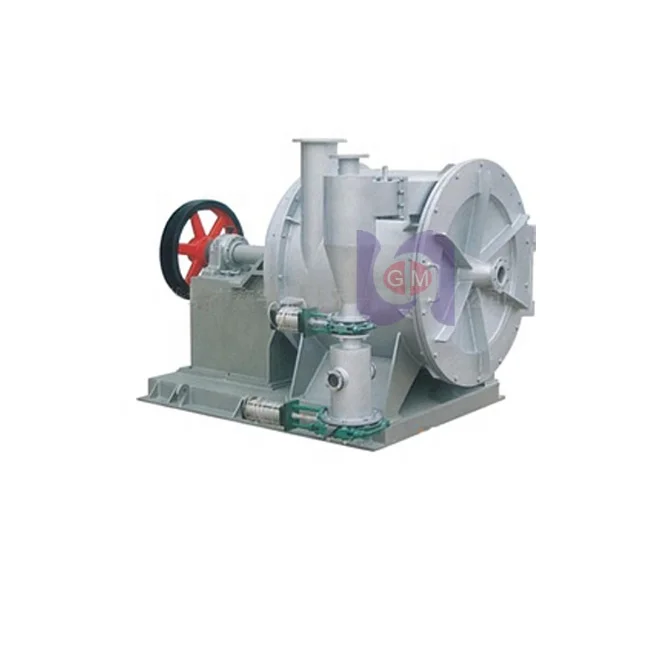
Pulp Pump, Small Paper Pulp Making Machine, Pulp Digester
A newly developed pulp pump design significantly boosts how efficiently pulp gets transferred through processing lines. Operators notice smoother running and lower power usage compared to older models. Many manufacturers see this innovation fitting right into current trends where green production matters more than ever before, especially since it cuts down on day-to-day expenses. Smaller scale paper pulp producers have started adopting these compact machines at an increasing rate lately. These units take up less floor space while still delivering good results, making them particularly attractive for facilities where room is tight but productivity needs remain high. Most mill owners report no drop off in product quality despite the smaller footprint of their equipment.

Market Drivers and Opportunities
Market forecasts predict the global packaging materials sector will hit around $500 billion by 2027, pointing to rising needs for new pulp machinery across the board. Much of this expansion comes from online shopping booming worldwide alongside increased international shipping activity, both needing lots of packaging options. As a result, factory owners are pouring money into upgraded paper making equipment just to stay ahead of customer demands without sacrificing green initiatives. Many companies now see sustainable production as essential rather than optional when it comes to staying competitive in today's market.
The printing and publishing world has bounced back since the pandemic hit, which means there's growing demand for really good quality paper stuff. As things pick up again, manufacturers who make those paper making machines are seeing some pretty solid business prospects. Publishers want to give their customers something special these days, so they're going all out on premium print jobs. And speaking of improvements, the whole sector is pushing forward with newer tech in pulp and paper manufacturing. Companies are investing in better equipment not just to crank out more product, but also to get that extra bit of quality right where it matters most.
Around the globe, governments are stepping up their game when it comes to regulations and financial incentives that push sustainable materials into the mainstream, which naturally boosts green tech adoption in paper manufacturing. We're seeing things like tax breaks for companies investing in eco paper mills and laws that make using recycled content mandatory in many regions. These kinds of rules don't just create demand for greener pulp machines they actually force manufacturers to get creative with their approaches to stay competitive. Looking at how all these factors line up, there's definitely room for expansion in the pulp machinery business while still keeping environmental concerns front and center.
Challenges in the Pulp Making Machinery Industry
The pulp machinery sector is running into some real roadblocks when it comes to growing and updating operations. For starters, getting hold of modern equipment requires a huge upfront investment that keeps many smaller companies out of the game. The price tag isn't just for buying the machines themselves either. There's all sorts of other expenses involved too like setting them up properly, keeping them maintained over time, plus day-to-day running costs. All these money matters often stop SMEs from ever upgrading their old gear. That leaves them struggling to keep pace with bigger competitors who can actually afford to invest in better technology and stay ahead in efficiency terms.
The lack of workers combined with rising need for skilled personnel is making things even harder for the industry right now. Running those complex pulp production machines takes specialized knowledge that just isn't readily available anymore. Many plants are struggling to find people who know how to handle modern equipment properly. When companies can't get enough trained staff, their output drops off and expenses go up fast. Training programs could help bridge this gap, but setting them up costs money that smaller operations might not have access to. Some businesses are trying creative approaches like partnering with local schools or offering apprenticeships, but these solutions take time to bear fruit.
Global supply chain problems have gotten worse because of all sorts of international happenings, causing real headaches for businesses everywhere. When shipments get stuck or parts don't arrive on time, factories face delays getting new equipment and replacing worn out components. Production schedules get thrown off and whole operations come to a standstill. Smart companies are starting to rethink their approach though. Some are building backup plans into their supply chains while others look closer to home for suppliers they can actually count on. The situation shows just how important it is for businesses to stay adaptable and think ahead when managing day to day operations. But let's be honest, even with all these strategies, maintaining steady progress remains a challenge most days.
Future Outlook for Pulp Making Machinery
Looking ahead, pulp making machines will probably undergo major changes as digital printing tech becomes more common in the industry. What's happening now is pretty interesting actually these new technologies are starting to change how pulp gets made traditionally. They let manufacturers create custom products much faster than before and test out prototypes without huge investments. The digital improvements we're seeing across the board mean better efficiency on factory floors. Producers can now target smaller markets that previously weren't economically viable while still fulfilling those special requests customers keep asking for. And as all this tech keeps developing, there's definitely going to be more systems where everything talks to everything else through data collection. This kind of smart integration helps fine tune operations day after day, though some companies might struggle with implementing it properly at first.
Specialty paper markets are seeing some real potential right now. More people want biodegradable options and self stick labels too, so the whole industry looks set to grow steadily over time. These specialty papers really appeal to folks who care about the environment as well as companies looking for greener packaging alternatives. As countries around the world try harder to cut down their carbon footprint, we're likely going to see lots of new innovations in paper products. This could mean plenty of opportunities for companies working on better ways to make paper stuff. The reason? People just keep buying more eco friendly items these days, plus governments are pushing businesses to go green through various regulations and incentives.
Water and waste management stands out as one of the most important areas needing attention moving forward. Recent improvements in filtration systems and better recycling methods have really boosted sustainability across the board. Companies are coming up with creative ways to cut down on water consumption while handling waste materials much more efficiently. This means pulp manufacturing equipment needs to keep pace with stricter environmental rules and guidelines. The good news is these new tech options save money too since they reduce resource consumption and lower operating expenses. For many mills, investing in these green technologies makes both economic and ecological sense. Looking ahead, those who adopt these innovations will find themselves better positioned to maintain profitability without sacrificing their commitment to protecting the environment.