EN
EN
 AR
AR BG
BG HR
HR DA
DA FR
FR DE
DE EL
EL PT
PT RU
RU ES
ES TL
TL ID
ID LV
LV LT
LT SR
SR SK
SK UK
UK VI
VI SQ
SQ GL
GL HU
HU TH
TH FA
FA AF
AF GA
GA HY
HY AZ
AZ KA
KA UR
UR BN
BN LO
LO LA
LA MN
MN NE
NE MY
MY KK
KK UZ
UZ KU
KU KY
KY

A Comprehensive Overview of Egg Tray Machine Engineering
Understanding Egg Tray Machine Engineering
Egg tray machines play a big role in the poultry business, basically making those plastic or cardboard containers we see at grocery stores that keep eggs from rolling around. What these machines do matters because when eggs are being moved around warehouses or shipped long distances, having them properly secured makes all the difference. Without good packaging, there's way more broken eggs which means wasted product and unhappy customers. Plus, proper storage helps maintain egg quality so consumers get fresh eggs rather than ones that have been sitting around too long.
An egg tray machine typically consists of three main parts: the pulp molding system, drying gear, and those molds that shape everything. The pulp molding part does exactly what it sounds like it does - takes wet pulp material and forms it into the basic shapes needed to hold eggs properly. Without proper drying equipment, all that work would be wasted since the pulp needs thorough drying to become sturdy enough for actual use. That's why good dryers are so important in the process. Then there are the shaping molds themselves. These determine not just the overall look but also whether the finished trays can accommodate small cartons or larger batches depending on what customers need. Getting familiar with how each component works together makes all the difference when running operations smoothly while keeping up with quality expectations across different production runs.
Recycling paper plays a key role when making those egg cartons we see everywhere. When manufacturers incorporate recycled content, they're basically reducing landfill waste while working with materials that are already available. The process starts with breaking down old paper into pulp which then gets molded into trays through special machinery. This approach cuts back on trees being cut down for new raw materials and saves quite a bit of energy compared to producing virgin paper products. What makes this even better is that what would otherwise be trash gets transformed into something useful again and again. Many companies have started adopting these practices because they want to shrink their environmental footprint without sacrificing product quality or increasing costs too much.
How Egg Tray Machines Work
Egg tray machines operate through a meticulous process that transforms raw recycled paper into durable egg trays. This transformation not only ensures the efficient protection of eggs during transport but also promotes sustainability by utilizing recycled materials.
The Pulping Process
Pulping plays a big role in making those egg trays we see everywhere. It starts when old paper gets broken down into something resembling wet cardboard, basically a slurry. What comes out of this step determines how good the finished egg trays will be. If the pulp isn't right consistency-wise, the trays might not hold up well during shipping. Some newer pulping tech actually speeds things along quite a bit, which means factories aren't spending so much time waiting around for batches to finish. Plus, they save money on buying fresh materials since recycled stuff works just fine most of the time. Companies looking to get better results from their egg tray machines should definitely look into upgrading their pulping setup first. Just don't expect miracles overnight though – there are limits to what even the best equipment can do.
Forming and Molding Techniques
How egg tray machines actually form and mold their products plays a big role in how durable those trays end up being. When manufacturers get the details right during this process, the finished trays hold up much better against everyday wear and tear from shipping and storage. Most factories rely on techniques like vacuum forming or thermoforming because they work well for different situations. Some companies might choose one method over another depending on whether they need thousands of trays per day or just a smaller batch for testing purposes. Getting this decision right makes all the difference between producing decent quality trays at reasonable costs versus struggling with waste and customer complaints down the road.
Drying Systems: Natural vs. Metal Drying
Good drying systems really matter for making sure egg trays hold up after they're formed. There are basically two main approaches out there: letting them dry naturally in the air versus using industrial metal dryers. Natural drying has its perks it's green and doesn't eat up much power, but honestly takes forever which can slow down production quite a bit. Metal drying systems work way faster, getting products ready in no time at all. But here's the catch they chew through electricity like crazy, so the bills go up. Manufacturers need to think hard about this tradeoff when setting up their factories. Some small operations might stick with natural drying despite the wait time, while bigger companies often invest in metal dryers even with the higher costs because speed matters more for them in the long run.
Applications of Egg Tray Machines
Egg Packaging Solutions
Egg tray machines exist mainly to package eggs properly so they stay fresh all the way from where they're laid until someone buys them at the store. Good packaging matters because eggs break easily during transport, which nobody wants. Modern egg tray equipment makes different kinds of trays that fit everything from regular chicken eggs to those weird duck eggs some people like. This flexibility really helps when moving large quantities around since damaged goods mean lost money for everyone involved. Farmers and distributors appreciate how adaptable these trays are, cutting down on waste while keeping costs lower across the board. At the end of the day, better packaging means fewer cracked eggs sitting on supermarket shelves waiting to be bought.
Other Uses: Fruit Trays, Industrial Packaging
Egg tray machines aren't just for eggs anymore. These versatile machines actually make trays for all sorts of things including fruits and various industrial uses too. When companies start making these different types of trays, they get more value out of recycled paper materials while tapping into fresh markets that weren't available before. The trays themselves handle everything from fragile berries to heavy duty parts used in manufacturing, cutting down on overall paper waste in the process. For manufacturers looking to expand operations, getting creative with how these machines are used means meeting big packaging demands throughout multiple sectors without having to invest in separate equipment for each product line.
Environmental Benefits of Egg Tray Production
Egg tray machines offer some pretty big benefits when it comes to going green. They take old paper that would otherwise end up in landfills and turn it into those little trays we put eggs in at home or in restaurants. The process cuts down on waste significantly because instead of throwing away tons of paper, manufacturers get something useful out of it. What makes this even better for the planet is how it fits into what's called a circular economy model. Rather than just tossing stuff away after one use, these machines help keep materials in circulation longer. When companies start incorporating egg tray machines into their regular operations, both farming businesses and packaging firms begin adopting greener habits across the board. Plus there's money to be saved too since recycling costs tend to be lower than buying brand new materials all the time. So really, investing in this kind of tech helps businesses save cash while doing good for Mother Earth at the same time.
Top Egg Tray Machine Models
1000 Pcs Machines for Small Business
For small businesses trying to make the most of limited space and budget without sacrificing product consistency, the 1000 Pcs machine is often the go-to solution. What makes this particular model stand out? Efficiency is built right into its design, which means companies can get started without breaking the bank on expensive equipment upfront. Many local manufacturers have found that they can begin operations at a reasonable output level and then gradually expand production as orders come in. The flexibility of these machines lets them adjust to market fluctuations rather than being stuck with either too much or too little capacity at any given time.
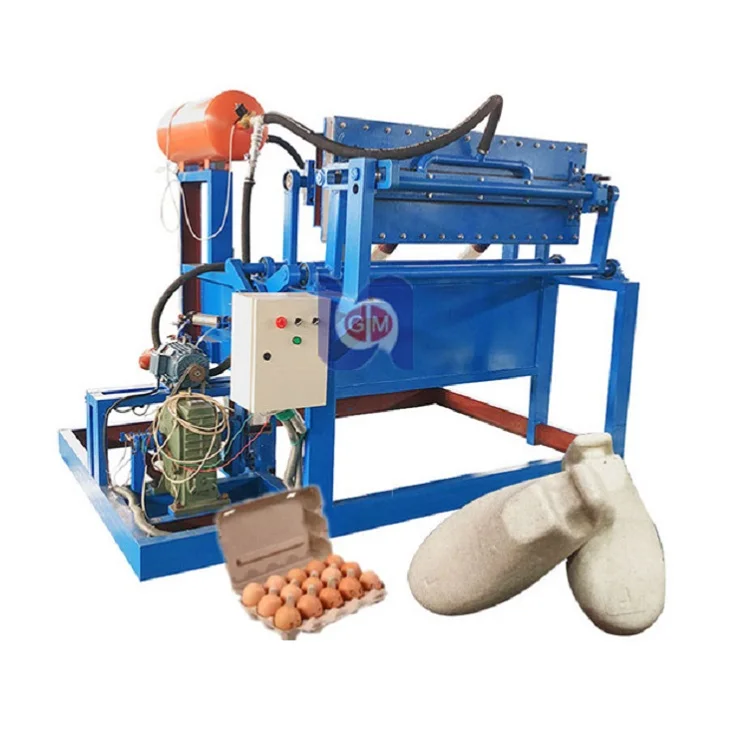
High Quality Recycle Waste Paper Box Making Machine
Machines built to high quality standards can really boost production levels while still meeting strict recycling requirements, which helps keep costs down over time. Most modern equipment comes with intuitive monitoring systems that actually make work easier and faster for everyone involved. These interfaces let staff check performance metrics at a glance without needing constant supervision. For companies trying to balance efficiency with environmental concerns, this kind of technology makes all the difference. The reduced need for manual checks alone saves hours each week across most operations.
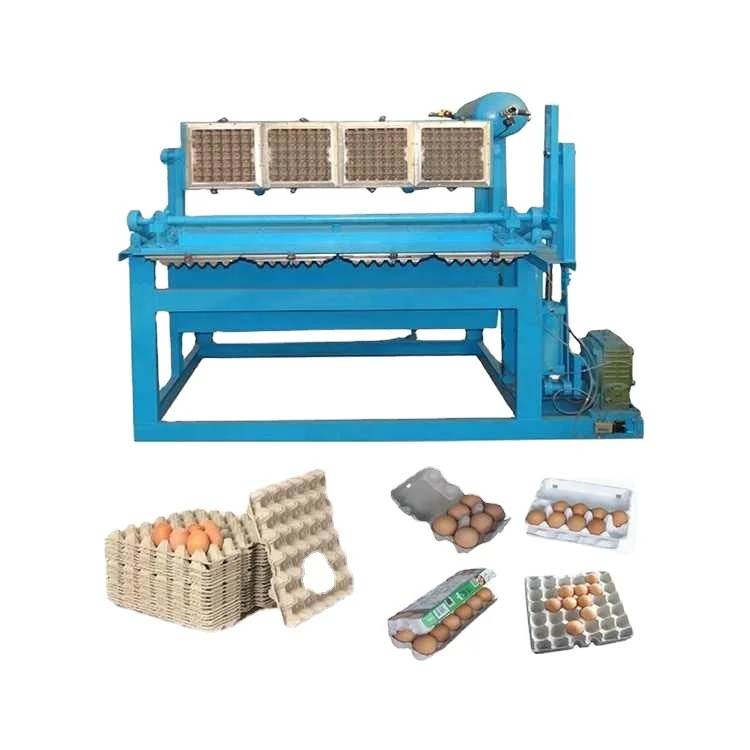
Popular High Efficiency Waste Paper Recycling Machine
The top models available right now focus on getting more done with fewer resources, cutting down on both material waste and labor costs while still cranking out products faster. Most come packed with automated features that slash expenses because they need so little hands-on work from staff. These systems deliver consistent results too, which means factories can produce goods at a much quicker pace without compromising quality. For big manufacturers trying to keep their bottom line healthy, investing in such machinery often pays off pretty quickly when looking at long term savings across entire production lines.
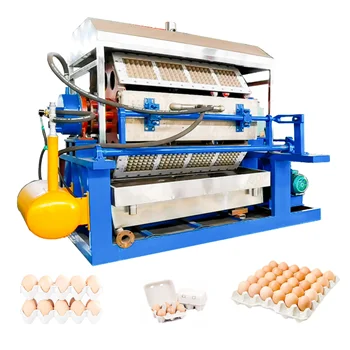
High Technology and Efficiency Wasted Paper Recycling Equipment
Modern waste recycling machines now incorporate smart tech that makes big improvements in how materials get pulped and molded. The results? Better quality end products that stand out in markets where competition is fierce. Companies that spend money on this newer equipment typically see real benefits. Production runs smoother and faster, while customers notice the difference in product consistency. Most manufacturers report fewer returns and complaints when they upgrade their systems, which naturally boosts brand image over time.
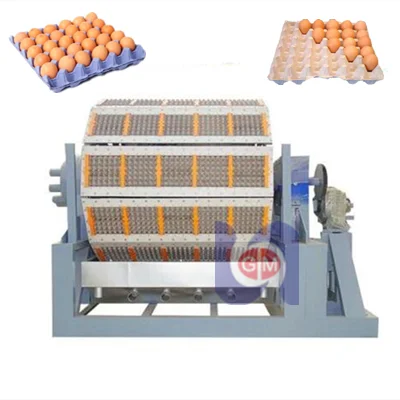
Automatic Egg Tray Making Machine
Automatic egg tray makers save money on labor costs and can scale up production when needed. They work really well with existing automated systems in factories, which makes everything run smoother. When companies streamline their production processes using these machines, they can handle large orders without needing as many workers around. This cuts down on mistakes from human error and boosts what gets produced each day. Most manufacturers find that after switching to automatic systems, their bottom line looks better because they're getting more done with fewer resources tied up in manual work.
Factors to Consider When Choosing an Egg Tray Machine
Production Capacity
The production capacity plays a major role in determining whether an investment in egg tray machines will pay off financially. Basically, what matters most is how many trays these machines can churn out over set periods since this directly impacts ability to satisfy customer needs across different markets. Getting clear on exactly what kind of demand exists in target markets helps businesses pick equipment capacities that match their operational scales. Machines need to handle current sales targets but also have room for expansion down the road so companies don't get stuck trying to catch up later when business picks up steam. This balance between present capabilities and future requirements ultimately shapes both daily outputs and long term bottom line results.
Automation Level
How automated an egg tray machine is makes a big difference in how fast things get made and what the labor bill looks like. We see everything from basic hand operated models all the way up to those fancy fully automatic setups on the market today. The more buttons and sensors these machines have, the better they tend to maintain quality throughout production runs while cutting down on the need for workers standing there adjusting stuff manually. Companies that spend money upgrading to top tier automated systems usually find themselves making more trays per hour without sacrificing consistency. But there's something else worth mentioning too - when resources are managed properly through automation, waste goes down significantly over time which means healthier bottom lines for most manufacturers in the long run.
Cost and Maintenance
When looking at whether an egg tray machine works for a particular business setup, cost factors and maintenance needs should be right at the top of the list. Take a good look at what it costs to buy initially plus all those ongoing expenses that come with running the machine day after day - think about electricity bills and wages for staff who operate it. Don't forget regular servicing either. Machines need TLC if they're going to last years instead of months. Finding replacement parts when something breaks down matters too because nobody wants their production line grinding to a halt waiting on repairs. Bottom line? Get clear on how much money will actually leave the till each month before signing any paperwork, but make sure whatever gets purchased can handle daily workloads without constant breakdowns or expensive fixes down the road.
Customization Options
The ability to customize egg tray machines really opens up what these systems can do for different businesses. Companies can then create special designs that fit exactly what their customers want. This gives them a real edge in markets where everyone else is selling pretty much the same thing. The uniqueness factor helps attract all sorts of buyers who might otherwise go elsewhere. So when looking at buying an egg tray machine, it makes sense to check out what kind of mold variations are possible along with any extra features that could handle niche requests from clients. Getting this right not only makes products stand out but also keeps the business ahead of competitors while still being able to innovate without breaking the bank.
The Future of Egg Tray Machine Engineering
Innovations in Automation
Automation innovations are changing how egg tray machines work, making production faster while cutting down on manual labor expenses. Many manufacturers are now incorporating smart technologies like artificial intelligence and internet connectivity into their equipment. These upgrades help keep operations running smoothly without compromising product quality standards. For companies wanting to remain competitive in this rapidly changing market, staying up to date with automation trends makes good business sense. The savings from improved efficiency often outweigh initial investment costs over time, which explains why so many producers are investing heavily in automated solutions despite the learning curve involved during implementation.
Sustainability Trends
The push for sustainability is changing how egg trays get made these days. More businesses are moving away from traditional plastic options toward biodegradable alternatives while cutting down on energy consumption during manufacturing. Companies that embrace green practices tend to see better results in terms of brand recognition and repeat business from customers who care about their environmental impact. The market is clearly shifting too consumers want products that don't leave a lasting footprint. Plus, going green helps manufacturers stay ahead of international sustainability targets which gives them an edge when competing against less eco-conscious rivals in the marketplace.
Global Market Growth
Egg tray machine markets around the world are expected to grow quite a bit over coming years, mainly because companies want greener packaging options these days. Industry reports show solid growth numbers that match up with what we're seeing globally in terms of sustainability trends. More and more sectors are looking for ways to incorporate recycled materials into their operations, which naturally boosts demand for equipment that makes biodegradable egg trays. For manufacturers in this space, staying ahead means investing in new technologies and finding smarter production methods. Those who fail to keep pace risk losing ground to competitors who better understand how environmental concerns are reshaping consumer expectations.
Transitioning into the future, these trends in automation, sustainability, and global demand underline the critical factors shaping the egg tray machine industry. Companies must continue exploring new technologies and sustainable practices to capitalize on these developments and maintain competitiveness in a growing and dynamic market.