EN
EN
 AR
AR BG
BG HR
HR DA
DA FR
FR DE
DE EL
EL PT
PT RU
RU ES
ES TL
TL ID
ID LV
LV LT
LT SR
SR SK
SK UK
UK VI
VI SQ
SQ GL
GL HU
HU TH
TH FA
FA AF
AF GA
GA HY
HY AZ
AZ KA
KA UR
UR BN
BN LO
LO LA
LA MN
MN NE
NE MY
MY KK
KK UZ
UZ KU
KU KY
KY

Quick-Change Tooling Systems in Multi-Grade Fluting Paper Lines
Enhancing Operational Efficiency with Quick-Change Tooling Systems in Fluting Paper Production
Reducing Downtime in Multi-Grade Production Lines
Fluting paper production lines are seeing major efficiency gains thanks to quick-change tooling systems that cut down on downtime substantially. With these modern setups, changing tools takes less than half an hour now, which means machines stay productive far longer between jobs. Production output jumps right away because equipment spends more hours actually working instead of sitting idle during transitions. Adding automated components gives operators constant visibility into how things are running, so they can spot potential issues before they become big problems. This kind of ongoing monitoring helps keep everything running smoothly while making sure maintenance crews focus their efforts where they're needed most. Stats from actual implementations show companies saving around 20% annually on operations after switching to these systems, proving that investing in better tooling pays off handsomely when it comes to both money saved and overall productivity improvements.
Adapting to Rapid Grade Changes with Modular Designs
Quick change tooling with modular design gives manufacturers the power to switch between different product specs pretty fast, which makes grade changes happen much quicker along fluting paper production lines. Being able to do this means companies can run several grades through their machines without wasting too much time stopping and starting. These kinds of systems work well across all sorts of paper grades, so factories stay ahead when clients ask for something specific or markets shift unexpectedly. Some real world examples show that plants using these modular setups actually boosted their output by around 40 percent compared to traditional methods. Beyond just keeping up with what customers want, this kind of flexibility opens doors for grabbing unexpected business chances too. Companies investing in such systems tend to stay nimble in competitive markets, especially important in industries like fluting paper manufacturing where being able to pivot quickly between grades keeps them from falling behind competitors.
Integration with Paper Making Machines for Seamless Transitions
When quick change tooling gets paired with modern paper machines, switching between different products becomes much smoother and workflow efficiency goes way up. The software these days works hand in hand with the actual machinery, letting adjustments happen automatically without someone standing there watching every move. That means fewer mistakes when changing from one product run to another. Some studies show factories using this kind of system cut down on waste materials and boost product quality around 15 percent give or take. The reason? These smooth transitions let the machines maintain better consistency throughout production while wasting less raw material. Paper mills adopting this approach see real benefits too. They get higher quality sheets coming off the line consistently, plus they save money on resources that would otherwise go to waste. For manufacturers looking at long term sustainability goals, this combination makes good business sense as well as environmental sense.
Product Showcase: Advanced Machinery for Multi-Grade Fluting Paper Lines
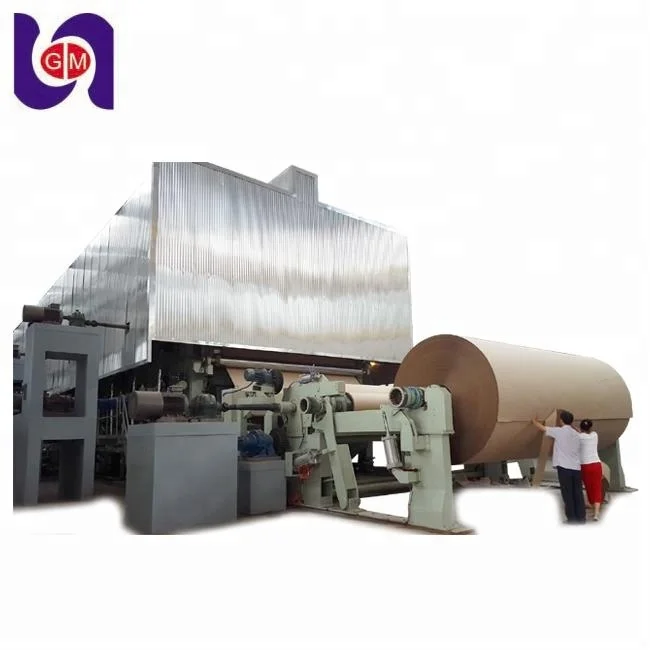
3600 Mm Double/Triple/Quadruple Line Kraft Paper Bag Making Machine
The 3600 mm kraft paper bag making machine comes in double, triple, and quadruple line configurations, making it ideal for companies needing to produce bags of various sizes at scale. What really stands out is the built-in quick change tooling system that cuts down on setup time between different bag styles. Most operators find they can switch from one design to another within just under 20 minutes, which saves tons of downtime. This feature alone boosts productivity while allowing manufacturers to handle more diverse orders throughout their shifts. Factory workers who have used these machines consistently mention better output numbers, fewer defects in finished products, and notably lower waste levels compared to older models. These improvements make a big difference when running against tight production deadlines.
Multi-Functional Waste Paper Recycling Egg Tray Machinery
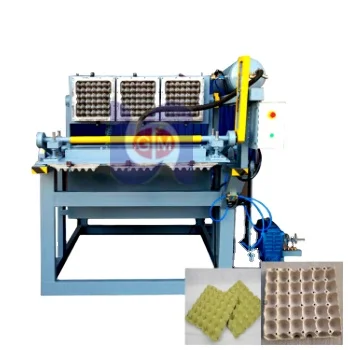
The Multi Function Waste Paper Recycling Egg Tray Machine really steps up recycling game by turning all sorts of scrap paper into high quality egg trays. These machines are making waves in the paper industry's push toward greener practices. What makes them stand out? They come equipped with features that let workers set things up fast and switch between different tray sizes without wasting much time. According to recent market analysis, companies using this kind of equipment see better product quality from recycled materials while cutting down on raw material expenses somewhere around 30 percent. That kind of savings helps keep production going sustainably without breaking the bank for manufacturers.
Key Benefits of Modern Tooling Systems in Paper Manufacturing
Precision and Stability in High-Speed Fluting Operations
Good tooling makes all the difference when it comes to getting precise results from those high speed fluting machines. The right tools keep products coming out uniform while cutting down on defects something every manufacturer knows matters for quality control. When equipment stays stable during operation, factories can crank up production without sacrificing quality standards. Some advanced setups actually manage to churn out around 100 thousand fluting sheets each hour straight through. Industry reports show that shops investing in precision tooling tend to see fewer rejected parts at the end of the day, which saves money in the long run. Looking at this from a business angle, having reliable tooling isn't just about meeting specs it's basically good for the bottom line too.
Sustainability Through Efficient Paper Recycling Integration
When paper manufacturers build efficient recycling into their tooling systems, they create more sustainable operations across the board. These setups cut down on material waste significantly and allow businesses to actually walk the talk when it comes to going green. Industry reports show that companies using top tier recycling tech typically see around a quarter drop in their carbon emissions without hurting output levels. What's really interesting is how these systems create what we call a closed loop production process. This means raw materials get reused multiple times, saving forests and other natural assets while at the same time appealing to customers who care deeply about environmental impact. While there are definitely planet benefits from all this, many manufacturers have noticed something else too their brands start looking better in markets where being green matters more every day.
Cost Savings via Reduced Manual Intervention
When companies install automated tooling systems, they see a big drop in manual labor requirements which brings down operational costs while making the workplace safer overall. Some studies indicate that going fully automated can slash labor costs around 30 percent, giving management teams more flexibility to assign staff to important projects rather than repetitive tasks. Beyond just saving money, many manufacturers report better efficiency rates and actually higher employee satisfaction when people stop doing boring day-to-day work and start contributing to meaningful operations instead. The cost savings are obvious, but what's equally important is how these changes let companies make better use of their workforce. Paper mills adopting this technology often find themselves running smoother operations while keeping skilled workers engaged in roles where their expertise truly matters.